Imagine a world where your eyeglasses seamlessly adapt to your surroundings, darkening into sunglasses the moment you step outside and clearing up when you walk indoors. No more fumbling for a separate pair of shades, no more squinting in unexpected glare. This isn't a futuristic fantasy; it's the everyday reality for millions thanks to photochromic lenses, often known by the popular brand name "Transitions."
These intelligent lenses, a marvel of modern optical technology, are designed to protect your eyes from the bright world while ensuring optimal vision in any light. They're more than just a convenience; they're a proactive step towards long-term eye health and unparalleled visual comfort.
At a Glance: Quick Facts About Adaptive Lenses
- What they are: Lenses that automatically darken in sunlight and become clear indoors.
- Key benefit: Eliminate the need to switch between prescription glasses and sunglasses.
- Protection: Block 100% of harmful UVA and UVB rays, even when clear.
- How they work: Special molecules in the lens react to UV light, changing shape to absorb light.
- Variety: Available from multiple brands (not just Transitions!), in various materials, colors, and for all prescription types.
- Considerations: Performance can be affected by temperature and most car windshields.
The Magic Behind the Lenses: A Brief History & How They Work
The concept of adaptive lenses isn't new. The journey began in 1966 when Corning Glass Works Inc. unveiled the first photochromic glass lenses. These early innovations relied on silver halide crystals, which chemically reacted to ultraviolet (UV) light, causing the glass to darken. It was a groundbreaking step, but the technology was just beginning to scratch the surface of its potential.
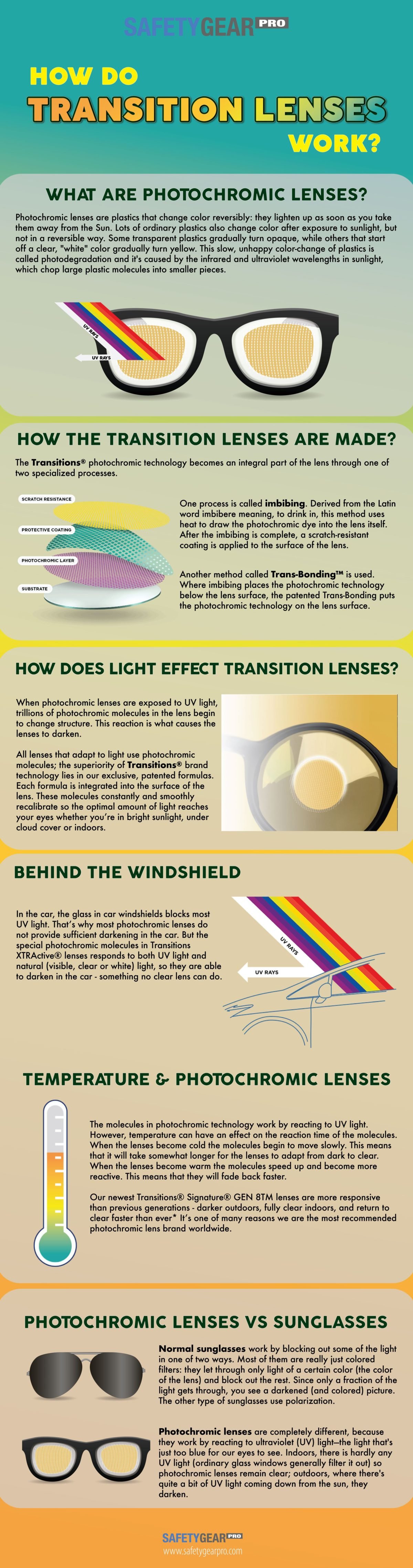
Fast forward to today, and the science has evolved dramatically. Modern photochromic lenses are primarily made from advanced plastics or resins like polycarbonate and Trivex. Instead of embedded crystals, these lenses infuse proprietary dyes containing billions of sophisticated molecules. When exposed to UV light, these molecules undergo a reversible chemical reaction, changing their shape and absorbing visible light, which makes the lens darken. The greater the UV intensity, the darker the lenses become, offering a dynamic "sunglass effect."
This cutting-edge science isn't just for traditional glasses. Breakthroughs like the FDA-approved ACUVUE OASYS with Transitions Light Intelligent Technology demonstrate how this adaptive power can even be integrated into contact lenses, correcting nearsightedness or farsightedness while providing continuous light management. It’s a testament to how far adaptive eyewear has come, moving from a niche product to a mainstream solution for comprehensive eye protection.
Beyond "Transitions": Exploring the World of Photochromic Brands
While "Transitions" is a widely recognized name, it’s actually a brand, much like "Kleenex" is for tissues. Many innovative companies offer their own versions of photochromic technology, each with unique features and benefits. Understanding these differences can help you find the perfect adaptive lens for your lifestyle.
Transitions® Lenses (Transitions Optical)
As the most common brand, Transitions Optical offers a diverse lineup designed for various needs:
- Transitions® Gen 8™ (Introduced July 2019): These lenses aim for a balance of indoor clarity and outdoor comfort. They're engineered to darken up to 30% quicker and fade back to clear 3 minutes faster than previous generations. Outdoors, they achieve up to a Category 3 darkness, similar to standard sunglasses, providing robust protection against bright light and 100% UV blockage.
- Transitions® Vantage®: If glare is your primary concern, Vantage lenses might be your answer. They not only darken outdoors but also become polarized as they activate, significantly reducing reflective glare from surfaces like roads, water, or snow. They even offer a slight indoor tint for enhanced comfort.
- Transitions® XTRActive®: Designed for those who spend significant time outdoors or in bright indoor environments, these lenses offer the darkest tint even in hot temperatures. They activate quickly and even darken behind a car windshield, making them suitable for driving. XTRActive also provides substantial blue light protection, blocking up to 34% indoors and 90% outdoors.
- Transitions® Drivewear®: This specialized lens is engineered specifically for driving. It reacts to visible light, not just UV, allowing it to darken behind a windshield. It also includes polarization to cut glare, offering optimized vision on the road.
LifeRx® Photochromic Lenses (Vision-Ease Lens)
Made from durable polycarbonate, LifeRx lenses are known for their rapid response. They darken to a full tint in less than 60 seconds and fade back quickly to clear. Like all quality photochromics, they provide 100% UVA/UVB protection and are compatible with a wide range of frame styles.
Sensity® Photochromic Lenses (Hoya Vision Care, 2016)
Hoya's Sensity lenses are engineered to adapt their tint based on not just UV light, but also climate and temperature. This intelligent adjustment helps ensure consistent performance. They're available in various colors, materials, and with advanced anti-glare coatings. For specific needs, Sensity Shine features a stylish mirror coating, while Sensity Dark offers extra-dark tints both outside and even inside the car for those facing intense light or extreme temperatures.
ColorMatic® IQ Sun 2 (Made in Germany)
These German-engineered lenses prioritize comfortable UV and glare-free vision. They maintain a subtle 40% basic tint in low light, providing a continuous level of comfort. In strong sunlight, they darken rapidly within seconds, all while preserving accurate color perception. Available in unique options like contrast-enhancing Chocolate brown, pure gray for true color vision, and soothing Racing green.
ZEISS PhotoFusion Lenses (Carl Zeiss Vision, Germany)
From a name synonymous with precision optics, ZEISS PhotoFusion lenses are designed for accurate color vision, quick darkening, and even faster fade-back speeds. Newer iterations, such as PhotoFusion X, can darken up to 60% faster than their predecessors. They offer a range of color options including brown, gray, blue, and a distinctive pioneer green.
PhotoBrown and PhotoGrey Lenses (Corning)
For those who prefer traditional materials or specific properties, Corning still offers glass-based PhotoBrown and PhotoGrey lenses. These lenses are highly scratch-resistant and use a silver chloride compound. Because the compound is evenly spread, thicker sections of the lens can appear darker. Corning also offers "Thin & Dark" versions, which are lighter and thinner while maintaining their adaptive performance.
SunSensors® Lenses (Mitsui Chemicals)
Originally developed by Corning and now from Mitsui Chemicals, SunSensors lenses are made of plastic (acrylic). They are known for their ability to maintain a dark tint even indoors once activated, which can be a preference for some users. However, they may darken more slowly compared to some newer-generation photochromic lenses.
Why Make the Switch? The Compelling Benefits of Photochromic Lenses
Choosing photochromic lenses isn't just about convenience; it's about upgrading your visual experience and protecting your most vital sense. Here are the core advantages that make adaptive eyewear a smart choice.
Unmatched Convenience
This is perhaps the most celebrated benefit. With photochromic lenses, you eliminate the hassle of juggling multiple pairs of glasses. Stepping from a dimly lit room into bright sunshine? Your lenses will automatically adapt. Heading back inside? They'll clear up. It's a truly hands-free, seamless experience that simplifies your daily routine.
Constant UV Protection
Even when clear indoors, your photochromic lenses are working overtime. They block 100% of both UVA and UVB rays, every single moment you wear them. This continuous, comprehensive UV protection is crucial for long-term eye health, significantly reducing your risk of developing cataracts, macular degeneration, and other UV-related eye conditions.
Smart Savings
While the initial cost may be slightly higher than standard lenses, photochromic lenses can be a cost-effective solution in the long run. You won't need to purchase separate prescription sunglasses, which often come with their own frames and fitting costs. This consolidated approach means one pair of glasses covers all your needs. When considering are photochromic lenses worth the investment?, this cost-effectiveness is a significant factor.
Reduced Glare and Eye Strain
By constantly adjusting to changing light levels, adaptive lenses actively reduce glare. This means less squinting in bright sun, less eyestrain, and overall improved visual comfort throughout your day. Beyond natural light, many modern photochromic lenses also help reduce glare and discomfort from harsh artificial lighting, like fluorescent bulbs or digital device screens.
Effortless Care
One pair of glasses means less to keep track of. There's a significantly lower chance of misplacing, losing, or forgetting your sunglasses when they're built into your everyday eyewear. This simplicity extends to care, as you only need to maintain one pair.
Versatility for Every Prescription
No matter your vision correction needs, there's likely a photochromic solution for you. These lenses are compatible with single-vision, bifocal, progressive, and high-index prescriptions. They also come in a variety of materials and colors, ensuring that performance doesn't compromise your style or specific visual requirements.
Understanding the Trade-offs: Potential Downsides to Consider
While photochromic lenses offer immense benefits, it's also important to be aware of their limitations to ensure they're the right fit for your lifestyle.
Behind the Windshield Challenge
One of the most common frustrations with standard photochromic lenses is their performance in the car. Most modern car windshields are designed to block UV light, which is what activates the darkening process for many photochromics. This means your lenses may only darken slightly, if at all, while driving. However, specialized lenses like Transitions XTRActive and Transitions Drivewear are engineered to react to visible light, making them effective behind the wheel.
Activation & Fade-back Timing
While greatly improved in newer generations, some photochromic lenses can still take a few moments to fully darken or clear when moving between different environments. This brief lag might cause temporary discomfort as your eyes adjust, especially if you're frequently moving in and out of buildings.
Initial Investment
Photochromic lenses typically come with a higher price tag than clear, standard lenses. While they can save you money by eliminating the need for separate prescription sunglasses, the upfront cost should be factored into your budget. Without insurance, adding photochromic technology can range from $100 to $400 or more to the cost of your glasses.
Temperature Sensitivity
The chemical reaction that darkens photochromic lenses can be influenced by temperature. In cold weather, lenses tend to darken more intensely and take longer to clear. Conversely, in very hot climates, their ability to achieve maximum darkness can be slightly reduced. This means their performance might vary based on the season or climate you're in.
Aesthetics/Style Limits
While photochromic lenses are available in classic colors like gray, brown, and increasingly green or blue, the range of tint options is narrower compared to dedicated sunglasses. If you love a vibrant, specific sunglass tint or a trendy mirror coating (beyond options like Hoya Sensity Shine), you might find the aesthetic choices slightly limited.
Unpolarized Versions
Unless explicitly stated (like Transitions Vantage), most standard photochromic lenses do not offer polarization. This means while they'll block UV and reduce overall brightness, they won't specifically cut down on blinding glare from reflective surfaces like water, snow, or wet roads. If strong glare reduction is a priority, ensure you opt for a polarized photochromic option.
What Do Photochromic Lenses Cost? A Budget Snapshot
Understanding the financial investment is key to making an informed decision about photochromic lenses. The cost can vary significantly based on the brand, your specific prescription needs, lens material, and any additional coatings.
For standalone non-prescription sunglasses with photochromic technology, you might expect to pay anywhere from $70 to $400+ per pair, depending on the frame and lens features.
If you're looking to add photochromic capabilities to your prescription eyeglasses, it typically adds to the base cost of your standard lenses. This "add-on" fee usually ranges from $100 to $400 per pair. This range depends heavily on:
- Brand: Premium brands often cost more.
- Lens Index: Thinner, lighter high-index lenses for strong prescriptions are usually more expensive.
- Material: Polycarbonate, Trivex, and glass each have different price points.
- Additional Coatings: Anti-reflective, scratch-resistant, or blue light filtering coatings will add to the total.
It's always a good idea to discuss specific pricing with your optician, as they can provide a detailed breakdown based on your individual requirements and local pricing.
Who Stands to Gain Most? Ideal Candidates for Adaptive Eyewear
Photochromic lenses aren't for everyone, but for certain individuals and lifestyles, they can be an absolute game-changer. Consider if you fall into one of these categories:
- Full-Time Glasses Wearers: If you rely on prescription glasses all day, every day, photochromic lenses offer unparalleled convenience by eliminating the need to carry and switch between separate pairs.
- People Who Frequently Move Between Indoors and Outdoors: Whether it's running errands, working in an office with natural light, or enjoying an outdoor lunch, these lenses adapt to your environment seamlessly.
- Outdoor Enthusiasts & Athletes: From hikers to golfers, continuous UV protection and glare reduction enhance performance and comfort during outdoor activities. Just be mindful of car windshield limitations for certain sports if driving is involved.
- Frequent Drivers: While standard photochromics have limitations behind the wheel, specialized driving-specific options like Transitions XTRActive or Drivewear can significantly improve comfort and visibility on the road.
- Children: Kids are highly susceptible to UV damage, and photochromic lenses provide hands-free, constant protection for their developing eyes, encouraging consistent wear.
- Individuals with Eye Conditions: Those recovering from cataract surgery, or with conditions like macular degeneration, often benefit from the reduced glare and continuous UV protection that adaptive lenses provide, helping to manage light sensitivity.
- Professionals Working Indoors and Out: Construction managers, real estate agents, delivery drivers, or anyone whose job requires constant movement between varied light conditions will find photochromics invaluable.
Making Your Choice: A Guide to Selecting and Caring for Your Lenses
Choosing the right pair of photochromic lenses and ensuring they last requires a bit of informed decision-making and good habits.
Key Considerations When Choosing
- Your Prescription Needs: Ensure the photochromic option is compatible with your specific vision correction (single-vision, bifocal, progressive, or high-index).
- Lens Material:
- Polycarbonate: Excellent for impact resistance, ideal for children, athletes, or those with active lifestyles.
- Trivex: Similar to polycarbonate but often with better optical clarity.
- High-Index Plastic: Recommended for strong prescriptions to make lenses thinner and lighter.
- Resin/Standard Plastic: Lightweight and cost-effective for lower prescriptions.
- Glass: Offers superior scratch resistance and optical clarity but is heavier and can be thicker.
- Brand & Activation Speed: Different brands and generations (e.g., Transitions Gen 8 vs. Gen 7) offer varying speeds for darkening and clearing. Discuss with your optician which brand's performance best matches your expectations.
- Special Features & Coatings:
- Anti-reflective (AR) coatings: Minimize glare from screens and artificial lights.
- Scratch-resistant coatings: Extend lens lifespan.
- Water-repellent coatings: Easier to clean and prevent smudges.
- Blue-light filtering: Increasingly important for digital device users.
- Polarization: Crucial if you need maximum glare reduction (e.g., Transitions Vantage).
- Behind-windshield activation: Essential if you spend a lot of time driving (e.g., Transitions XTRActive, Drivewear).
- Color Preference: Most commonly available in gray (for true color perception), brown (for enhanced contrast), or green (a balance of both, often soothing). Choose a color that feels most comfortable and natural to your eyes.
- Budget: Photochromic lenses are an investment. Discuss the costs with your optician and compare different brands and features within your price range.
Keeping Them Pristine: Caring for Your Adaptive Lenses
Proper care will ensure your photochromic lenses perform optimally and last longer.
- Clean Regularly: Use a high-quality microfiber cloth and a cleaning spray specifically designed for eyeglasses. Avoid paper towels, tissues, or shirt sleeves, as these can scratch the lens surface.
- Avoid Extreme Temperatures: Do not leave your glasses in a hot car (especially on the dashboard) or expose them to extreme cold for prolonged periods. Temperature extremes can affect the photochromic molecules and potentially shorten their lifespan.
- Store in a Protective Case: When not wearing them, store your glasses in a hard protective case to prevent scratches and accidental damage.
- Handle with Care: Always use both hands to put on and take off your glasses to avoid bending the frames.
- Consider Periodic Replacement: While durable, photochromic lenses typically maintain their peak performance for about 3-5 years. Over time, the photochromic molecules can degrade, leading to slower activation or less darkening. Discuss replacement schedules with your eye care professional.
Your Vision, Reimagined: Stepping into Adaptive Eyewear
Understanding photochromic lenses means recognizing their potential to transform your daily visual experience. They offer a unique blend of convenience, continuous protection, and adaptability that conventional lenses simply cannot match. By embracing this intelligent eyewear, you're not just buying a pair of glasses; you're investing in clearer vision, reduced eye strain, and lasting eye health, all wrapped up in one sophisticated package. Talk to your eye care professional today to explore how adaptive lenses can perfectly integrate into your life, making every glance at the world a more comfortable and protected one.