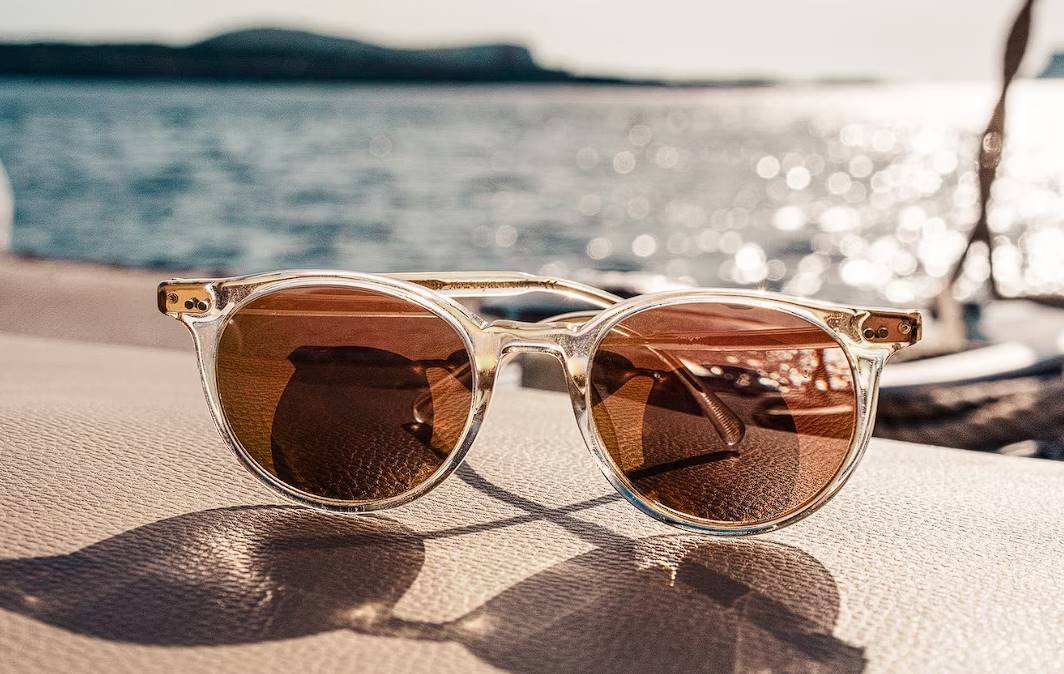
The daily juggle of clear indoor vision versus comfortable outdoor sun protection can feel like a perpetual optical puzzle. Should you invest in the convenience of Transition Lenses vs. Prescription Sunglasses and Other Alternatives that offer tailored protection? It's a common dilemma, one that forces a decision between seamless adaptability and specialized performance. Getting it right means understanding the nuances of each option and how they align with your unique lifestyle.
Here’s a quick overview to help you navigate your choices:
At a Glance: Key Takeaways
- UV Protection is Non-Negotiable: Regardless of your choice, ensure your eyewear blocks 100% of UVA and UVB rays (up to 400nm). A dark tint doesn't automatically mean UV safety.
- Transition Lenses (Photochromic): Offer hands-free convenience, adapting from clear to dark when exposed to UV light. Great for frequent indoor/outdoor transitions.
- Prescription Sunglasses: Provide consistent, immediate tint and protection outdoors. Ideal for driving, intense sun exposure, and activities requiring optimal glare reduction (especially polarized).
- Car Performance: Standard Transitions® don't fully darken in a car due to UV-blocking windshields; Transitions® XTRActive® are designed to work better while driving. Prescription sunglasses are always dark in the car.
- Glare Reduction: Polarized prescription sunglasses offer superior glare filtering, crucial for water, snow, or roads. While some photochromic lenses now include polarization, it's more common and often more effective in dedicated sunglasses.
- Cost vs. Convenience: Transitions can be more cost-effective as a single "two-in-one" solution. Prescription sunglasses add an extra cost but offer specialized benefits.
- The Hybrid Solution: Many find the best vision and protection by having both: Transitions for everyday adaptability and dedicated prescription sunglasses for specific activities or extended outdoor time.
- Consult Your Eye Doctor: Your lifestyle and specific visual needs are paramount. An eye care professional can offer personalized advice.
The Unseen Threat: Why Eye Protection Isn't Optional
Before diving into the specifics of lenses and frames, let's briefly touch on why this decision matters so much. Your eyes are constantly exposed to environmental stressors, chief among them being ultraviolet (UV) radiation from the sun. Just as you protect your skin, your eyes need robust defense.
Prolonged or excessive UV exposure isn't just uncomfortable; it's a significant risk factor for serious eye conditions. Think cataracts, a clouding of the eye's natural lens that impairs vision, or pterygium, a growth on the conjunctiva that can spread to the cornea. You might also encounter photokeratitis, essentially a sunburn of the eye, which causes temporary pain and light sensitivity. Ensuring your eyewear blocks 100% of UVA and UVB rays, or "up to 400nm of UV absorption," is paramount. A dark tint alone offers no guarantee; it's the lens material and coatings that provide true UV security.
Understanding Your Options: A Head-to-Head Comparison
The core of your decision often boils down to two primary players: photochromic lenses (famously known as Transitions®) and dedicated prescription sunglasses. Each brings a distinct set of advantages and disadvantages to the table, making the "best" choice highly personal.
Photochromic Lenses (Transition Lenses): The Automatic Adaptor
Imagine a single pair of glasses that effortlessly shifts from clear indoors to a protective tint outdoors. That's the magic of photochromic lenses. They’re coated with a special dye that reacts to UV light, causing them to darken. Step back inside, away from UV rays, and they gradually return to their clear state.
The Upside: Effortless Adaptability
- Seamless Convenience: This is the flagship benefit. You wear one pair of glasses all day, every day, without the hassle of switching between your regular spectacles and sunglasses. It's ideal for those constantly moving between indoor and outdoor environments. No more fumbling for your other pair or leaving them behind.
- Comprehensive UV Protection: Built right into the lens, this protective coating ensures 100% defense against harmful UVA and UVB rays. This isn't an add-on; it's fundamental to how they work, safeguarding your eyes from the invisible threat of sun damage.
- Blue-Violet Light Filtering: Many modern photochromic lenses aren't just about UV. They also filter some of the blue-violet light emitted by digital screens and the sun, which can contribute to digital eye strain and retinal damage over time.
- Customization Beyond the Basics: While traditionally seen in grey or brown, photochromic technology has expanded significantly. You can now find them in various lens tints like graphite green, and even mirrored options for added style. They can also be combined with popular coatings such as anti-reflective treatments or polarization for enhanced visual comfort.
- Specialized Versions for Specific Needs: Manufacturers like Transitions® have developed advanced options. Transitions® XTRActive® lenses, for instance, are designed to darken more intensely, even behind the windshield of a car, and maintain a slight indoor tint for constant protection. They are also widely available in progressive lens designs for those needing multifocal correction.
- Photochromic Contact Lenses: The innovation extends to contacts, too. ACUVUE OASYS with Transitions®, debuted in 2018, are contact lenses that adapt to changing light and filter blue-violet light. It’s important to note, however, that while they offer light adaptation and blue-light filtering, they do not provide 100% UV protection for the entire eye area, meaning you'd still need sunglasses for complete defense.
- Cost-Effective & Environmentally Conscious: In many cases, purchasing one pair of photochromic lenses can be less expensive than buying two separate pairs (regular glasses and prescription sunglasses). From an environmental perspective, a "two-in-one" product naturally boasts a smaller carbon footprint, often made with durable, long-lasting materials. If you’re wondering Is getting transition lenses worth it?, these benefits definitely contribute to their value proposition.
The Downside: Where Adaptability Has Limits
- Temperature Sensitivity: The chemical reaction that causes photochromic lenses to darken and clear is influenced by temperature. They tend to get darker and clear slower in colder weather, while in very hot conditions, they may not achieve their darkest potential tint.
- Car Performance: This is a common point of contention. Most car windshields block a significant amount of UV light. Since photochromic lenses react to UV, they won't darken fully behind the wheel, offering limited sun protection while driving. As mentioned, Transitions® XTRActive® offers a notable improvement here, but it's still a consideration for many drivers.
- Transition Speed: While much faster than older generations, the change isn't instantaneous. It can take 30-60 seconds for lenses to darken fully and several minutes to completely clear. This delay can be noticeable when moving rapidly between environments.
- Quality Variations: Not all photochromic lenses are created equal. Some budget options may take longer to adjust, not get as dark, or have a shorter lifespan for their photochromic properties. Sticking to reputable brands generally ensures better performance.
- Fewer Style Options: While improving, the range of deep, dramatic tints, or specialized mirrored finishes often found in dedicated sunglasses is still somewhat limited for photochromic lenses. They typically stick to standard colors like gray, brown, or green, and might not achieve the same intensity or variety of custom looks.
Prescription Sunglasses: The Dedicated Defender
For those who prioritize consistent, deep tint and specialized performance in bright conditions, prescription sunglasses are the gold standard. These are essentially regular sunglasses, but with corrective lenses tailored to your specific vision needs.
The Upside: Unwavering Performance & Style
- Consistent Performance: Step outside, and you immediately have full, consistent tint and protection. There's no waiting for lenses to darken, ensuring immediate glare reduction and comfort from the moment you encounter sunlight.
- Robust Material & UV Filtering: Many prescription sunglass lenses are made from impact-resistant polycarbonate, a durable material that inherently filters a high percentage of UV light. When combined with specific UV-blocking coatings, they provide complete protection.
- Ideal for Specific Activities: Prescription sunglasses truly shine for prolonged outdoor activities. They're perfect for driving, where their constant tint isn't affected by UV-blocking windshields. For intense glare environments like boating, fishing (especially with polarization), skiing, or high-altitude conditions, their immediate and deep tint is invaluable.
- Superior Glare Reduction with Polarization: This is where prescription sunglasses often pull ahead. Polarized lenses are specifically designed to dramatically reduce glare from reflective surfaces such as water, snow, wet roads, or even flat, shiny objects. They work by filtering horizontal light waves, enhancing clarity, contrast, and visual comfort significantly.
- Extensive Style Options: This is a major draw. Prescription sunglasses come in an almost limitless array of frame styles, lens colors, and finishes. You can choose from fashionable aviators, sporty wraps, classic Wayfarers, and virtually any aesthetic you desire. They can also be designed to curve or wrap around the face, offering maximum peripheral UV protection.
- Reliable, Deep Protection: For individuals spending extended periods outdoors, the deep and consistent tint of prescription sunglasses provides reliable, unwavering protection and comfort that photochromic lenses, with their variable tint, might not consistently match in the harshest conditions.
The Downside: A Question of Convenience
- Inconvenience of Two Pairs: The primary drawback is the need to carry and switch between two pairs of glasses – your regular clear lenses and your prescription sunglasses. This can be cumbersome, and it's easy to forget one or the other, leaving you either squinting in the sun or wearing dark lenses indoors.
- Added Expense: Purchasing a dedicated pair of prescription sunglasses represents an additional cost on top of your regular glasses. If your prescription changes, you'll need to update both pairs, potentially doubling your eyewear expenses.
- UV Protection Not Guaranteed by Darkness: It bears repeating: a dark tint alone doesn't guarantee UV protection. Always ensure your prescription sunglasses are explicitly labeled 100% UVA and UVB protection. Without this, a dark tint can actually be more harmful, as it causes your pupils to dilate, allowing more harmful UV light into your eye.
- No Adaptability: These lenses are always tinted. This means they are too dark for indoor use, shaded areas, or low-light conditions, requiring you to remove them and switch back to your clear glasses.
The Crucial Differences: Where Each Shines (and Stumbles)
When weighing your options, consider these key distinctions:
- Convenience vs. Performance: Transition lenses are the undisputed champions of convenience, offering a single, adaptive solution for varied light conditions. Prescription sunglasses, on the other hand, deliver peak performance with a consistent, strong tint and specialized glare reduction for dedicated outdoor use.
- Driving Dynamics: For many, this is a deal-breaker. Basic transition lenses are less effective for driving because car windshields block the UV light they need to activate. While Transitions® XTRActive® offers a significant improvement, prescription sunglasses remain the superior choice for consistent sun protection and glare reduction while behind the wheel.
- Glare Reduction: If intense glare is a frequent issue – think fishing, boating, skiing, or even just driving on a sunny, wet road – polarized prescription sunglasses offer vastly superior glare reduction. They cut through reflected glare that photochromic lenses (even those with integrated polarization, which is less common) simply can't match.
- Cost Considerations: On a strictly "product-for-product" basis, photochromic lenses can be more cost-effective as they combine two functions into one. However, the initial outlay for quality photochromic lenses can be higher than standard clear lenses. Prescription sunglasses represent an additional, separate purchase, but they offer distinct advantages that many find worth the investment.
- Style Spectrum: Prescription sunglasses win hands down in terms of style. You have an enormous range of frame shapes, sizes, colors, and lens finishes to choose from, allowing you to curate a distinct look for your outdoor persona. While photochromic options are growing, they don't yet offer the same breadth of aesthetic choices or the deep, dramatic tints often associated with high-fashion sunglasses.
Making Your Choice: A Lifestyle-Driven Decision Tree
The "best" option isn't universal; it's deeply personal and depends on how you live, work, and play.
When Transition Lenses Make Sense:
- You're an "Always On" Person: If you hate juggling multiple pairs of glasses and want a hands-free, set-it-and-forget-it solution.
- Frequent In-and-Out: Your day involves constant transitions between indoors and outdoors (e.g., office to errands, home to yard work).
- Moderate Sun Exposure: Your outdoor time is typically not extreme or prolonged, or you spend most of it not driving.
- Budget Conscious (Two-in-One): You prefer a single investment that covers both clear vision and sun protection, potentially saving money over buying two separate pairs.
When Prescription Sunglasses Are Your Best Bet:
- Dedicated Driver: You spend a lot of time behind the wheel and need consistent, reliable sun and glare protection.
- Outdoor Enthusiast: Activities like fishing, boating, skiing, hiking, or extended beach days are a regular part of your life, demanding maximum glare reduction and consistent tint.
- Style Savvy: You love having different eyewear looks and want the widest possible range of frame styles and lens colors to match your fashion sense.
- Maximal Glare Reduction: You specifically seek polarized lenses to eliminate harsh glare from reflective surfaces.
- No Compromises: You want the darkest, most consistent tint possible for your outdoor activities, without any transition time.
The Hybrid Approach: Having Both
Many people find the ideal solution lies not in choosing between these options, but in embracing both. This "hybrid approach" offers the ultimate flexibility and protection:
- Transition Lenses for Everyday: Use them as your primary pair for daily tasks, errands, and situations involving frequent changes in light.
- Prescription Sunglasses for Specific Needs: Keep a dedicated pair of prescription sunglasses (ideally polarized) in your car, boat, or gym bag for driving, intense outdoor sports, or extended periods in bright sun.
This strategy ensures you have the convenience for most situations and specialized performance when it truly counts.
Common Questions & Clarity Calls
Let's clear up some common misunderstandings.
Are All Dark Lenses UV Protective?
Absolutely not! This is a critical misconception. A dark tint merely reduces visible light, causing your pupils to dilate and potentially allowing more harmful UV radiation to enter your eyes if the lenses lack proper UV filters. Always ensure any sunglasses, prescription or otherwise, are explicitly labeled 100% UVA and UVB protection (or block "up to 400nm").
Do Transition Lenses Work in the Car?
Standard photochromic lenses do not darken effectively in a car. Windshields are designed to block UV rays, which are what activate the darkening process in these lenses. For better in-car performance, look for specialized versions like Transitions® XTRActive® which are formulated to react to visible light as well as UV.
What About Photochromic Contact Lenses?
Photochromic contact lenses (like ACUVUE OASYS with Transitions®) are a remarkable innovation. They adapt to light and filter blue-violet light. However, they do not provide 100% UV protection for the entire eye area (e.g., the eyelids and surrounding skin). You'll still need proper sunglasses over them for full UV defense.
Do Photochromic Lenses "Wear Out"?
Yes, over time, the photochromic dyes can become less reactive. This means they may not get as dark or clear as quickly as they did when new. The lifespan varies depending on quality, exposure to UV, and environmental factors, but typically a pair lasts several years before a noticeable decline in performance.
The Road Ahead: Evolving Technology in Eye Protection
The world of optics isn't static. Manufacturers are continuously innovating, pushing the boundaries of what eyewear can do. We're seeing advancements like photochromic lenses that integrate polarization for ultimate glare reduction, options with mirrored or gradient coatings, and continued improvements in activation speed and temperature stability. As technology evolves, the lines between these options may blur further, offering even more tailored and efficient solutions for your visual needs.
Your Next Step: Seeing Your Eye Care Professional
Ultimately, the most useful, trustworthy advice comes from a professional who understands your unique vision. This guide provides the comprehensive context, but your specific lifestyle, daily habits, and individual prescription requirements are best assessed by an optometrist or ophthalmologist. They can help you weigh the nuanced benefits and drawbacks, show you the latest options, and ensure you make an informed decision that perfectly suits your eyes and your life. Don't hesitate to schedule a consultation; your vision is worth the personalized attention.