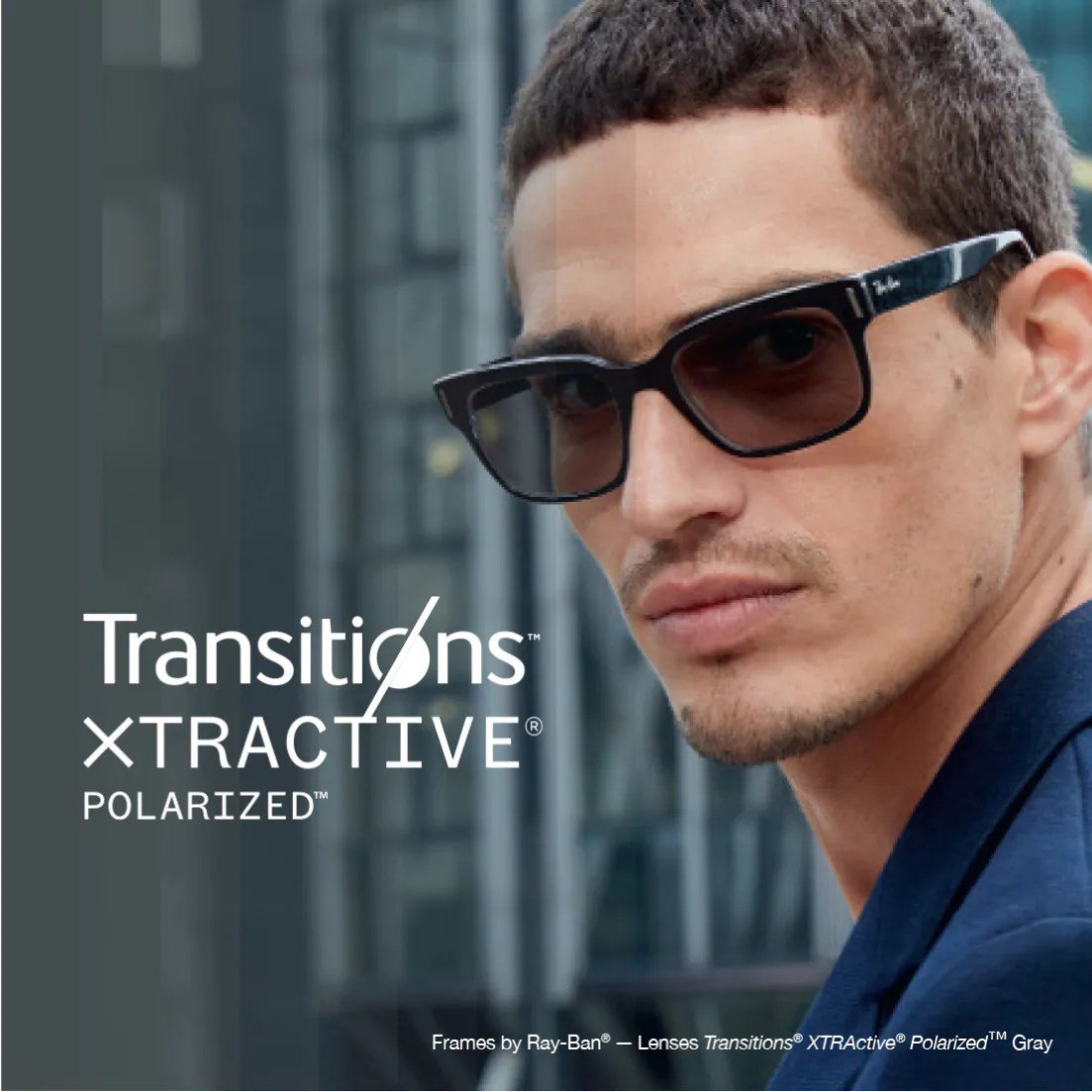
Navigating the world of eyewear can feel like a constant juggle, especially when you're moving between bright sunshine and indoor settings. Traditional glasses mean squinting or fumbling for sunglasses, while progressive lenses add another layer of complexity. Thankfully, the latest advancements in Top Transition Lens Brands and Latest Technology Advancements are transforming how we see the world, quite literally, with dynamic, light-adaptive lenses that promise both convenience and superior visual comfort.
Imagine eyewear that intuitively shifts from clear indoors to fully dark outdoors, adapting to every light condition you encounter. These aren't just a futuristic fantasy; they're a present-day reality, evolving at a rapid pace to offer more speed, clarity, and protection than ever before. If you've ever wondered if light-adaptive lenses are the right fit for your lifestyle, you're in the right place to get the full scoop.
At a Glance: Key Takeaways for Transition Lenses
- Rapid Adaptation: Modern transition lenses like Gen S and Gen 8 darken in seconds and fade back quickly.
- UV & Blue Light Protection: All major brands block 100% UVA/UVB and filter blue-violet light, both clear and activated.
- Car Compatibility Varies: Most standard photochromic lenses don't darken behind a windshield; specialized options like XTRActive do.
- Color Choices: Beyond gray and brown, many brands offer a spectrum of vibrant colors.
- Cost Factor: Expect to pay a premium for advanced photochromic technology, typically around $100 more than standard clear lenses.
- Convenience Reigns: They eliminate the need to switch between multiple pairs of glasses, simplifying your daily routine.
The Magic Behind Your Adaptive Vision: How Transition Lenses Work
Before we dive into specific brands, let's pull back the curtain on how these clever lenses operate. At their core, transition lenses—or photochromic lenses, as they're technically known—rely on patented molecules (dyes) embedded within or applied to the lens material. These molecules react to ultraviolet (UV) light. When exposed to UV rays, the molecules change their structure, causing the lens to darken. Reduce the UV light (like when you go indoors), and the molecules revert to their original state, making the lens clear again.
This isn't just about convenience; it's about protecting your eyes from harmful UV rays and reducing eye strain caused by glare. While the technology might sound complex, the experience for you is beautifully simple: one pair of glasses that does it all. The world's leading manufacturer of these innovative lenses, Transitions Optical, operates its primary facility in Tuam, Ireland, a hub of advanced optical engineering.
Introducing Transitions Gen S: The Apex of Adaptive Lenses
When most people think of transition lenses, the "Transitions" brand often comes to mind – and for good reason. They are the pioneers and continue to push the boundaries of photochromic technology. Their latest breakthrough, Transitions Gen S, represents a significant leap forward in speed, performance, and aesthetics.
Unpacking Gen S: Speed, Clarity, and Protection
Transitions Gen S lenses are engineered with patented photochromic dyes that enable an exceptionally rapid darkening process. The greater the UV intensity, the darker your lenses become, ensuring optimal tint for varying light conditions. Indoors or at night, they fade back to a crystal-clear finish, so you're never stuck with a lingering tint when you don't need it.
One of the most impressive features of Gen S is its speed: these lenses can reach full darkness in a mere 25 seconds and, even more remarkably, fade back to clear in under two minutes. This responsiveness is a game-changer, addressing one of the common complaints about older photochromic lenses.
Precision Manufacturing: A Glimpse into the Future
The journey of a Gen S lens from clear blank to adaptive marvel is a testament to modern automation. It begins with clear, semi-finished lens units entering an entirely automated coating process. Here, a thin, even layer of the specialized photochromic dye is applied while the lenses spin, ensuring uniform coverage. This is followed by crucial curing and cleaning stages. Protective layers are then meticulously applied, with further curing and cleaning steps. These curing methods can leverage UV light, thermoregulation, or even electromagnetism, depending on the specific layer and material.
After this intricate coating, curing, and cleaning cycle, each lens undergoes a rigorous quality assurance test. This is typically the only point in the manufacturing process where human involvement is critical, as trained eyes meticulously inspect for any imperfections. Lenses that pass these stringent tests are then sent for finishing, where they are custom-cut and shaped to fit specific frames and prescriptions, ready to enhance your vision.
Gen S Features and Everyday Compatibility
Transitions Gen S lenses are designed for maximum versatility:
- Universal Compatibility: They seamlessly integrate with prescription, non-prescription, and progressive lenses, making them suitable for virtually everyone, regardless of age or visual needs.
- Comprehensive Protection: You get 100% protection from both UVA and UVB rays, crucial for long-term eye health. When activated, they filter up to 85% of blue-violet light, and even when clear, they still filter up to 32%, helping to reduce digital eye strain.
- A Spectrum of Style: Beyond traditional gray and brown, Gen S lenses are available in eight vibrant colors: ruby, gray, graphite green, amethyst, sapphire, emerald, amber, and brown. This allows for personalized style expression.
- Investment in Vision: This cutting-edge technology typically adds approximately $100 to the cost of standard clear lenses, reflecting the premium performance and protection you receive.
Navigating Gen S Limitations
While Gen S lenses are incredibly advanced, it's important to understand their specific performance characteristics:
- Temperature Sensitivity: Due to the nature of their dye reactions, Gen S lenses may transition slightly slower in colder temperatures. The dyes react faster with heat, meaning they might not get quite as dark in freezing conditions as they would on a warm, sunny day.
- Behind the Windshield: A common question is whether transition lenses work in the car. Standard Gen S lenses, like most photochromic options, do not activate behind car windshields. This is because car windshields inherently block most UV light, which is what triggers the lenses to darken. If you spend significant time driving and want your lenses to adapt in the car, you'll need to consider specialized options like XTRActive lenses, which we'll discuss shortly.
Beyond Gen S: Exploring Other Leading Photochromic Lens Brands
While Transitions Gen S sets a high bar, several other brands and lens types offer compelling photochromic solutions, each with unique strengths. Understanding these alternatives will help you make an informed decision based on your specific needs and budget.
GlassesUSA Transitions Gen 8: The All-Rounder
The Gen 8 technology from Transitions Optical (also available through GlassesUSA) remains a highly versatile and popular choice. These lenses also provide 100% UVA and UVB protection and boast a significant speed improvement over earlier generations.
In tests, Gen 8 lenses reached full darkness in under 10 seconds and returned to clear in under five minutes. While Gen S is faster on the fade back, Gen 8 offers exceptional performance across a broad range of conditions. Beyond sun protection, they contribute to reduced eye strain from computer use, decrease glare from night driving, and help minimize squinting.
GlassesUSA offers Gen 8 in seven colors: gray, brown, green, sapphire, amethyst, emerald, and amber. They also accept FSA, HSA, and various insurance plans, making them accessible.
Zenni Optical EyeQLenz: Budget-Friendly Blue Light Warrior
For those seeking an affordable yet effective photochromic solution, Zenni Optical's EyeQLenz stands out. This 3-in-1 option provides robust protection from UV, infrared rays, and blue light.
EyeQLenz lenses transition from clear to tinted within a remarkable six seconds outdoors. While they are comfortable for driving, they won't get very dark in cars due to windshield UV blocking, similar to standard Gen S. Indoors, they quickly return to clear or maintain a very slight tint depending on ambient light. Starting at just $29.95 for non-prescription lenses, they are an excellent budget-friendly choice, though they are currently available only in a gray tint. Zenni Optical also accepts FSA and HSA and offers a generous 14-day full refund or 30-day store credit return policy.
Warby Parker Light Responsive Lenses: Style Meets Protection
Known for their stylish frames and accessible pricing, Warby Parker offers its own proprietary Light Responsive Lenses. These lenses integrate blue light blocking features, proving beneficial for reducing eye fatigue during extended computer and phone use.
While they darken quickly outdoors, they may not reach the same level of darkness as some other high-end photochromic lenses. Warby Parker's options are available in classic gray, brown, and green tints. Like GlassesUSA, they accept FSA, HSA, and various insurance plans, backed by a convenient 30-day return or exchange policy.
GlassesUSA Transitions XTRActive: Darker, Even in the Car
If your primary need is lenses that get darker, and especially if you drive frequently or are highly light-sensitive, Transitions XTRActive (also available through GlassesUSA) is designed specifically for you. These lenses get significantly darker than many other photochromic options and critically, they do darken behind a car windshield, nearly matching the tint of regular sunglasses.
XTRActive lenses also maintain a slight indoor tint. While some prefer a completely clear indoor lens, this subtle tint can be a blessing for individuals sensitive to bright indoor lighting or those who want enhanced blue-violet light protection from devices throughout the day. They are engineered to get nearly as dark as sunglasses even in hot temperatures, making them an excellent choice for outdoor sports enthusiasts or those living in sunny climates. You can find them in three standard base colors and with a mirror coating in six stylish options, offering both function and flair. GlassesUSA facilitates their purchase by accepting FSA, HSA, and various insurance plans.
Choosing Your Perfect Pair: What to Consider
With so many excellent options available, how do you decide which transition lens is right for you? It boils down to understanding your lifestyle, priorities, and specific visual needs.
Your Daily Routine Matters
- Frequent Driver? If you spend a lot of time behind the wheel and want your lenses to darken while driving, Transitions XTRActive is likely your best bet. Standard photochromic lenses won't activate in the car.
- Outdoor Enthusiast? For those who spend significant time outdoors, especially in bright conditions or playing sports, the rapid darkening and robust protection of Transitions Gen S or the extra darkness of XTRActive will serve you well.
- Office Worker/Digital Native? All modern photochromic lenses offer blue light filtering. Transitions Gen S provides excellent blue-violet light protection (32% clear, 85% activated), as do Warby Parker's and Zenni's options. If light sensitivity indoors is a concern, the slight tint of XTRActive might be beneficial.
- Budget Conscious? Zenni Optical EyeQLenz offers a fantastic entry point into photochromic technology without breaking the bank.
Key Performance Indicators
- Speed of Darkening: How quickly do you need your lenses to react? Gen S is incredibly fast, but Gen 8 and EyeQLenz are also very responsive.
- Speed of Fading Back to Clear: This is often where lenses differ most. Gen S leads the pack with fade times under two minutes.
- Darkness Level: How dark do you want your lenses to get? XTRActive achieves near-sunglass darkness, even in cars.
- Indoor Tint: Do you prefer completely clear indoors, or is a slight tint acceptable (or even desirable for light sensitivity)? XTRActive maintains a slight indoor tint.
Aesthetics and Style
- Color Options: Beyond traditional gray and brown, brands like Transitions Gen S and Gen 8 offer a wide palette of colors to match your personal style or even the frame itself.
- Mirror Coatings: XTRActive lenses can be customized with mirror coatings for an added style element and extra glare reduction.
Investment and Value
Modern transition lenses, especially the advanced ones, are an investment in your eye health and convenience. While they typically cost more than standard clear lenses, the value comes from eliminating the need for multiple pairs of glasses, providing continuous UV and blue light protection, and adapting seamlessly to your environment. When considering the benefits, many find them to be an indispensable upgrade. You might find a deeper dive into this question helpful as you weigh your options; understanding transition lenses thoroughly can help you determine if the investment aligns with your lifestyle and needs. Understanding transition lenses further explores the value proposition.
Common Questions About Transition Lenses, Answered
You've got questions, we've got crisp answers. Here's a look at some of the most common inquiries about photochromic eyewear:
Do transition lenses expire or wear out?
While the technology is durable, the photochromic dyes can become less effective over time, typically several years, reducing their ability to darken as much or as quickly. This is a gradual process, not a sudden failure. The lifespan can vary based on exposure to harsh conditions and how well you care for your lenses.
Are transition lenses suitable for everyone, including children?
Yes, absolutely. Most transition lens brands, including Transitions Gen S, are compatible with prescription and non-prescription lenses for all ages, including children. In fact, providing children with continuous UV protection from a young age is highly recommended for long-term eye health.
Can I get transition lenses with anti-glare or other coatings?
Yes, photochromic lenses are fully compatible with most lens coatings, including anti-reflective (anti-glare), scratch-resistant, and anti-smudge treatments. These coatings enhance the performance and durability of your adaptive lenses.
Why don't my transition lenses get dark in the car?
Most standard transition lenses react to UV light. Car windshields are designed to block a significant amount of UV rays to protect the car's interior and passengers. Since the activating UV light is blocked, the lenses won't darken fully, if at all. For in-car darkening, you need specialized lenses like Transitions XTRActive.
Are all "transition" lenses made by the Transitions brand?
No. "Transitions" is a brand name and the leading manufacturer of photochromic technology, widely adopted by many eyewear providers. However, other companies also produce their own versions of "photochromic" or "light-adaptive" lenses, such as Warby Parker's Light Responsive Lenses or Zenni's EyeQLenz. While the technology aims for the same outcome, the specific dyes, performance (speed, darkness), and features can vary between brands.
Embracing the Clarity: Your Next Steps
The evolution of photochromic technology means there's never been a better time to consider adaptive lenses for your everyday vision needs. From the lightning-fast reactions of Transitions Gen S to the in-car darkening capabilities of XTRActive and the budget-friendly protection of EyeQLenz, the options are more refined and diverse than ever.
Ready to experience the freedom of a single pair of glasses that intelligently adapts to your world? Your next step is to discuss your lifestyle and preferences with an eye care professional. They can help you explore the latest advancements, understand which specific lens technology aligns best with your needs, and ensure you get the perfect prescription and fit. Say goodbye to the sunglasses shuffle and hello to effortless clarity, no matter where life takes you.