Keeping the Magic Alive: Your Guide to Care, Maintenance, and Longevity of Transition Lenses Through Proper Habits
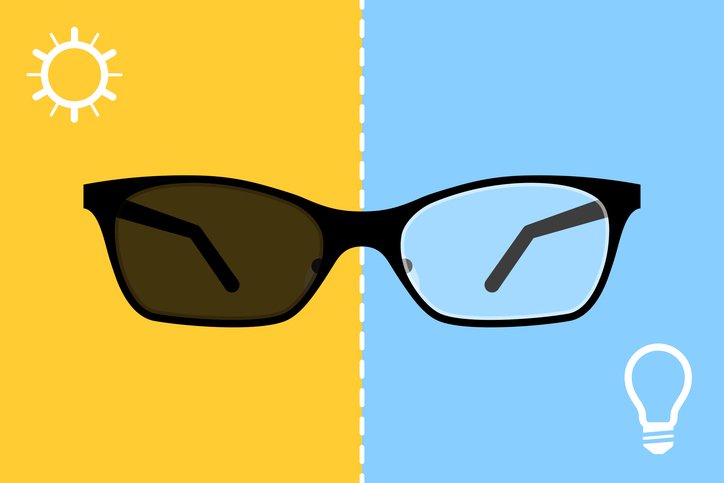
Imagine stepping from a bright, sun-drenched street into the subtle glow of an indoor space, and your eyeglasses effortlessly adapt, darkening outdoors and clearing indoors. That's the everyday magic of transition lenses (also known as photochromic lenses). They offer unparalleled convenience, eliminating the need to constantly swap between prescription glasses and sunglasses. But like any sophisticated optical technology, their performance hinges on how well you care for them. Understanding the care, maintenance, and longevity of transition lenses isn't just about protecting your investment; it's about ensuring they continue to provide optimal vision and comfort for years to come.
Without proper attention, the very features that make these lenses so remarkable—their ability to intelligently respond to light—can diminish. From daily cleaning rituals to understanding environmental stressors, adopting a few thoughtful habits can dramatically extend the life and effectiveness of your adaptive eyewear.
At a Glance: Key Takeaways for Your Transition Lenses
- Lifespan: Expect optimal performance for about 2-3 years, as photochromic molecules naturally age.
- UV is a Double-Edged Sword: Essential for activation, but excessive and intense UV exposure accelerates wear.
- Heat is the Enemy: Extreme heat (like a hot car dashboard) can severely damage lenses and their coatings.
- Gentle is Key: Use only specialized cleaners and soft microfiber cloths; harsh chemicals and rough materials are destructive.
- Store Smart: Always keep your glasses in a protective case when not in use.
- Scratches are Permanent: Unlike a car’s paint, lens scratches cannot be buffed out; they require lens replacement.
- Car Windshields Block UV: Don't expect full darkening behind the wheel, as most windshields block activating UV rays.
Understanding the Adaptive Brilliance: How Transition Lenses Work (and Why They Age)
Before diving into maintenance, it helps to grasp the science behind transition lenses. These aren't just tinted glasses; they're optical marvels embedded with billions of photochromic molecules. These tiny molecules react to ultraviolet (UV) light. When exposed to UV, they undergo a reversible chemical reaction, changing their structure to absorb visible light, which makes the lens darken. Indoors, away from UV, they return to their original clear state.
This constant, dynamic transformation is what makes them so convenient. However, this molecular dance isn't infinite. Over time, these photochromic molecules, much like anything else that performs a physical function repeatedly, begin to fatigue. Their ability to change shape and revert becomes slower and less pronounced. This natural aging process is the primary reason why transition lenses, while incredibly durable for daily use, typically maintain their optimal performance for about 2-3 years. Think of it like a rechargeable battery that slowly loses its capacity over hundreds of charge cycles; the molecules gradually diminish their light-adaptive functionality.
The Silent Culprits: Factors That Shorten Your Lenses' Life
While natural molecular aging is inevitable, several environmental and behavioral factors can significantly accelerate this process, prematurely robbing your lenses of their adaptive prowess. Understanding these helps you proactively protect your investment.
The Sun's Double-Edged Sword: Frequent & Intense UV Exposure
It might sound counterintuitive, given that UV light activates transition lenses. However, there's a difference between activating and overworking. Regular, moderate UV exposure is what these lenses are designed for. But prolonged, intense UV exposure, especially without proper breaks, can hasten the breakdown of those hardworking photochromic molecules.
Imagine consistently pushing a car engine to its redline. It's built to handle it occasionally, but doing so day in and day out will wear it out faster. The same applies to your lenses. If you live in a perpetually sunny climate and spend hours outdoors every day, your lenses are undergoing rapid changes more frequently and intensely. This high-demand environment means the photochromic molecules are consistently working at their peak, accelerating their fatigue.
The Heat Hazard: Extreme Temperatures are a Lens Killer
This is perhaps the most overlooked but damaging factor for transition lenses. Extreme heat, particularly the kind found inside a sealed car on a sunny day, is a potent enemy. Temperatures inside a vehicle can easily soar well above external ambient temperatures, turning your dashboard or glove compartment into a small oven.
What happens? High temperatures can cause multiple forms of damage:
- Accelerated Molecular Degradation: Heat, combined with UV, turbocharges the fatigue process of the photochromic molecules, making them lose their adaptive ability much faster.
- Coating Damage: More critically, extreme heat can warp, crack, or delaminate the delicate anti-reflective, scratch-resistant, and other specialized coatings applied to the lens surface. Once these coatings are compromised, not only does it affect clarity and durability, but it can also impair the photochromic function itself, as some photochromic technology is integrated within or under these layers.
- Lens Material Distortion: In severe cases, extreme heat can even distort the lens material itself, leading to permanent optical distortions that render the lenses unusable.
Leaving your glasses on a car dashboard, near a fireplace, or even on a hot beach towel under direct sun are all common scenarios that invite this kind of premature damage.
Not All Lenses Are Created Equal: Material and Coating Quality
Just as with any product, there's a spectrum of quality in transition lenses. The underlying lens material (e.g., polycarbonate, Trivex, high-index plastics) and, crucially, the quality of the photochromic technology and any additional coatings play a significant role in durability and performance.
- Lens Material: Some materials inherently offer better UV protection or are more resistant to temperature fluctuations, providing a more stable environment for the photochromic molecules.
- Coating Quality: Higher-end transition lenses often come with multi-layer scratch-resistant, anti-reflective, and UV-blocking coatings that are more robust and better integrated into the lens structure. These superior coatings can act as a protective shield, slowing down the degradation of the photochromic elements and extending the overall lifespan. Investing in quality upfront can often translate into greater longevity and consistent performance. This is one of many factors when considering transition lenses.
The Hidden Hazards: Harsh Chemicals and Abrasive Cleaning
Your lenses' surfaces are meticulously engineered with delicate coatings. These coatings are designed to resist scratches, reduce glare, repel water, and, in many cases, house or protect the photochromic molecules. Introducing harsh chemicals or abrasive materials to this delicate surface is like taking sandpaper to a finely polished table.
- Harsh Chemicals: Cleaning agents containing alcohol, ammonia (like window cleaner), or even certain hand soaps can strip away or degrade these protective coatings. Once damaged, the lens becomes vulnerable to scratches, smudges, and direct environmental exposure, all of which can compromise the photochromic function.
- Abrasive Materials: Cleaning with paper towels, facial tissues, or even the hem of your shirt might seem harmless, but these materials are surprisingly abrasive at a microscopic level. They can inflict tiny scratches on the lens surface over time, accumulating into visible damage that affects clarity and performance. These scratches can also trap dirt and interfere with the photochromic molecules' light exposure.
When the Magic Fades: Signs Your Lenses Are Wearing Out
Even with the best care, your transition lenses will eventually show signs of wear. Recognizing these signals helps you know when it's time for a check-up or replacement.
The Fading Magic: Slower Reactions & Less Intense Tinting
This is the most common and often the first indicator. You might notice your lenses:
- Take Longer to Darken: Instead of quickly responding to UV, there's a noticeable delay before they start to tint.
- Don't Get as Dark: They might only reach a medium grey or brown tint, never achieving the deep, sunglasses-like darkness they once did, even in very bright conditions.
- Take Longer to Clear: They might also be sluggish to return to their completely clear state indoors, leaving you with a slight residual tint.
These changes are direct results of the photochromic molecules losing their efficiency.
The Blurry Truth: Surface Scratches
While proper care minimizes scratches, daily use inevitably brings some wear and tear. Small nicks and scrapes can accumulate, especially if you're not diligent about storing your glasses.
- Visual Impairment: Minor scratches might just be annoying, but deeper or widespread scratches can significantly impair your vision, causing glare, distortion, or blurriness.
- Compromised Performance: Scratches can also interfere with the uniform darkening and clearing of the lens, creating uneven tinting or reducing overall photochromic effectiveness. Remember, scratched transition lenses cannot be repaired; if vision is impaired, replacement is necessary. This is why when you're looking into when to replace your eyeglasses, persistent scratches are often a key indicator.
Peeling Back the Layers: Coating Wear
Your lenses' specialized coatings are tough but not invincible. Over time, or due to improper cleaning and exposure to harsh elements, these coatings can start to degrade:
- Anti-Reflective Coating: You might see a fine network of cracks, a "crazing" effect, or patches where the coating appears to be flaking or peeling, especially when light reflects off the lens. This often appears as splotches or hazy areas that can't be cleaned away. This can significantly reduce clarity and make the lenses look cloudy.
- Hydrophobic/Oleophobic Coatings: If water droplets don't bead up and roll off easily, or if fingerprints become harder to wipe away, it could signal that these repellent coatings are wearing off.
Any degradation of the surface coatings impacts not just the aesthetics and clarity, but potentially the longevity and performance of the photochromic layer itself, especially if it's integrated into those outer layers.
The Art of Preservation: Your Daily Guide to Lens Longevity
Extending the life of your transition lenses isn't complicated, but it does require consistency and attention to detail. Think of it as a set of rituals that protect your vision and your investment.
The "Dos": Your Daily Habits for Healthy Lenses
These are the proactive steps you can take every day to ensure your lenses stay in top condition.
- Clean Properly, Clean Often: This is the cornerstone of lens maintenance.
- Wash Your Hands: Before you even touch your glasses, wash your hands thoroughly with soap and water. Oils, lotions, and dirt from your hands are easily transferred to lenses, creating smudges and attracting more grime.
- Rinse Away Debris: Hold your glasses under a gentle stream of lukewarm (never hot) water. This is crucial for flushing away dust, grit, and other abrasive particles before you wipe the lenses. Wiping dry lenses with grit on them is the quickest way to cause scratches.
- Use the Right Solution: Apply a specialized eyeglass cleaning solution formulated for coated lenses. A tiny drop of mild, lotion-free dish soap (like Dawn) can also work in a pinch, but ensure it's thoroughly rinsed off. Avoid any soaps with moisturizers, antibacterial agents, or harsh chemicals.
- Gentle Cleaning, Thorough Drying: Gently rub the lenses with your fingertips to dislodge any remaining oils or smudges. Rinse thoroughly again under lukewarm water to remove all soap or cleaning solution residue.
- Microfiber is Your Friend: Dry your lenses using a clean, soft microfiber cloth specifically designed for eyewear. These cloths are lint-free and gentle on coatings. Always ensure the cloth itself is clean; a dirty microfiber cloth can also scratch lenses. Wash your microfiber cloths regularly according to their instructions.
- Frequency: Aim to clean your glasses at least once a day, and more often if needed (e.g., after sweating, cooking, or being in a dusty environment). Regular cleaning prevents dirt from accumulating and hardening onto the lens surface.
- Store Safely, Always: When your glasses aren't on your face, they should be in a safe haven.
- The Protective Case: Always store your glasses in a sturdy protective case. A hard-shell case offers the best defense against crushing and impacts. If you don't have a hard case, a soft pouch is better than nothing, especially if you're keeping them in a bag.
- Clean & Dry Environment: Ensure the case itself is clean and dry. A dusty case can transfer debris to your lenses.
- Avoid Loose Storage: Never toss your glasses unprotected into a bag, pocket, or onto a table where they can be sat on, knocked off, or get scratched by keys, pens, or other objects.
- Handle with Care: The way you pick up and put down your glasses makes a difference.
- Clean, Dry Hands: Always handle your glasses with clean, dry hands to prevent transferring oils, lotions, or dirt onto the lenses.
- Two-Handed Approach: When putting on or taking off your glasses, use both hands and hold them by the temples. This prevents bending the frame, loosening screws, or applying uneven pressure to the lenses. Avoid pushing them up onto your head, as this can stretch the frame and expose the lenses to hair products and oils.
- Consider Protectors (If Not Already Integrated): Many modern transition lenses come with excellent integrated coatings. However, if yours don't, or if you want an extra layer of defense, you can consider:
- Scratch-Resistant Films: While most transition lenses include a built-in scratch-resistant coating, supplementary films can sometimes add an extra layer, though they can also add bulk or reduce optical clarity if not applied perfectly.
- Anti-Fog Sprays: These can be helpful in certain environments, but always ensure they are safe for coated lenses. Test on an inconspicuous area first if unsure. Remember that understanding anti-reflective coatings and other specialized lens treatments is important for choosing the right lenses and care products.
The "Don'ts": Avoiding Common Pitfalls
Knowing what not to do is just as important as knowing what to do. These habits can severely compromise your lenses' longevity.
- Steer Clear of Extreme Heat: This cannot be stressed enough.
- No Car Dashboard: Never, ever leave your glasses on the dashboard, in the glove compartment, or anywhere else inside a parked car, especially during warmer months. The sun's rays can intensify temperatures rapidly.
- Avoid Heat Sources: Keep them away from radiators, open flames (like fireplaces), hot stovetops, sauna rooms, or even direct sunlight on a dark surface (which can absorb and radiate heat).
- Cool, Shaded Storage: Always store your glasses in a cool, shaded place when not in use.
- Be Mindful of Prolonged Intense Sunlight: While built for sun, there's a limit.
- Hats and Umbrellas: For extended periods outdoors in intense UV (e.g., a full day at the beach or hiking), consider wearing a wide-brimmed hat or seeking shade. This reduces the intensity and duration of UV exposure your lenses receive, slowing down molecular fatigue.
- Consider Alternatives for Specific Needs: If you spend many hours consistently in bright, intense sun and need consistent darkness, a dedicated pair of prescription sunglasses might be a better alternative for those specific activities. Your transition lenses are fantastic for frequent transitions, but not necessarily for all-day, extreme sun exposure where maximum, constant tint is desired.
- Ban Abrasive Materials and Harsh Chemicals: Treat your lenses with the respect their delicate coatings demand.
- No Paper Products: Never clean your lenses with facial tissues, paper towels, napkins, or toilet paper. These materials contain wood fibers that are highly abrasive and will scratch your lens coatings.
- Avoid Clothing: Resist the urge to wipe your lenses on your shirt, pants, or any other clothing material. Fabric fibers, dust, and dirt trapped in the cloth can all scratch the surface.
- Say No to Harsh Cleaners: Do not use household cleaning agents such as window cleaner (Windex), alcohol-based wipes (unless specifically formulated for optics), ammonia-based cleaners, or strong detergents. These chemicals will strip, etch, or degrade the specialized coatings on your lenses. Even some hand sanitizers can be damaging if they come into contact with your lenses. Stick to dedicated lens cleaning solutions or mild dish soap diluted with water. Understanding common eyeglass cleaning mistakes can help you avoid damaging your lenses.
Unpacking Common Questions & Misconceptions About Transition Lenses
Let's address some frequent queries that shed more light on your adaptive eyewear.
Why Do My Transition Lenses Stop Working Effectively Over Time?
The primary reason, as we've discussed, is the natural aging and fatigue of the photochromic molecules embedded within the lenses. With each exposure to UV light, these molecules undergo a reversible chemical change. Over hundreds, and then thousands, of these cycles, their ability to change structure quickly and completely diminishes. They become slower to react, don't darken as much, and may take longer to clear. It’s not a defect; it’s simply wear and tear at a microscopic, molecular level.
Do Transition Lenses Wear Out Faster in Hot Climates?
Yes, they generally do. Hot climates typically mean more frequent and intense UV exposure, which directly accelerates the degradation of photochromic molecules. Furthermore, the combination of high heat and UV is particularly damaging. When lenses are exposed to sustained high temperatures (like being left in a hot car), the photochromic process is stressed, and coatings can degrade much faster than in cooler environments. So, if you live somewhere perpetually sunny and warm, your lenses might show signs of aging closer to the lower end of their expected 2-3 year lifespan.
Can Scratched Transition Lenses Be Repaired?
Unfortunately, no. Once a transition lens is scratched, the damage to the lens material or its coatings is permanent. Unlike some materials that can be buffed or polished, optical lenses (especially those with multiple layers of coatings) cannot be repaired without further distorting your vision or removing essential protective layers. If a scratch is minor and doesn't impede your vision, you might be able to live with it. However, if it's significant, causes glare, or obstructs your sight, the only solution is to replace the lenses. This underscores the importance of proper cleaning and storage.
Why Don't My Transition Lenses Darken as Much Behind a Car Windshield?
This is a very common question and a perfectly normal characteristic. Most modern car windshields are designed to block a significant portion of UV-A and UV-B rays to protect the car's interior and its occupants. Since transition lenses rely on UV light to activate their darkening process, if the windshield is blocking those crucial rays, the lenses won't darken as much, if at all. Some newer generations of transition lenses are designed to react to visible light in addition to UV, offering slightly better performance behind the wheel, but generally, you won't get the full sunglasses-level tint in a car. For consistent darkness while driving, prescription sunglasses might still be the best choice.
Are Transition Lenses Always the Best Choice?
Transition lenses are incredibly beneficial for those who frequently move between indoor and outdoor environments, offering convenience and consistent UV protection. They are a fantastic all-in-one solution for many. However, they may not be ideal for everyone in every situation:
- Driving: As mentioned, they won't fully darken in most cars.
- Constant Dark Tint: If you need consistent, deep darkness for prolonged outdoor activities (e.g., boating, skiing, long drives), dedicated prescription sunglasses will provide a more stable and often darker tint.
- Extreme Light Sensitivity: Individuals with extreme light sensitivity might find the adaptive darkening not quite dark enough for their comfort in very bright conditions.
- Climate Considerations: As discussed, they may wear faster in very hot, sunny climates.
Ultimately, the best choice depends on your lifestyle, specific vision needs, and preferences. It's often a good idea to discuss these options with your optometrist who can help you weigh the pros and cons based on your habits, much like deciding on choosing the right eyeglass frame for your face shape and lifestyle.
Investing in Clarity: The Lasting Value of Good Habits
The beauty of transition lenses lies in their seamless adaptability, but that adaptability, like any sophisticated technology, benefits greatly from mindful care. By understanding how these lenses work, what threatens their longevity, and embracing a few simple, consistent habits, you can significantly extend their effective lifespan.
Think of it as a partnership: your lenses work hard to protect your eyes and provide clear vision across changing light conditions, and in return, you provide them with the care they need to perform their best. From proper cleaning with a dedicated solution and a soft microfiber cloth to safeguarding them from extreme heat, every small act of maintenance adds up, preserving the clarity, responsiveness, and ultimate value of your adaptive eyewear. This attention to detail isn't just about prolonging the life of your lenses; it's about ensuring your eyes consistently receive the protection and visual comfort they deserve, year after year. It's about maintaining the "magic" for as long as possible. Remember, understanding the importance of UV protection isn't just about your skin, it's vital for your eyes too, and proper lens care ensures your transition lenses keep delivering on that promise.