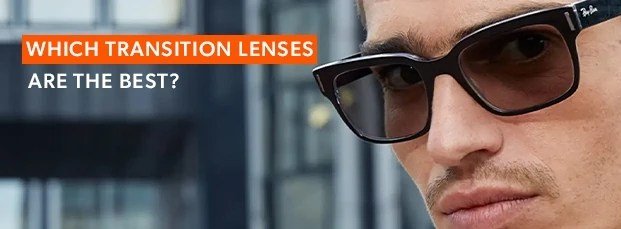
In our fast-paced world, convenience is king, and our vision needs are no exception. Imagine a single pair of glasses that effortlessly adapts to every lighting situation – dim office, bright sunshine, or evening strolls. This isn't science fiction; it's the promise of transition lenses, also known as photochromic lenses. But with so many options available today, the question remains: are transition lenses truly worth the investment for your modern lifestyle?
This super pillar hub article will guide you through everything you need to know, helping you decide if these intelligent lenses are the perfect fit for you.
The Magic Behind Your Adaptive Vision: How Transition Lenses Work
At their core, transition lenses are marvels of optical engineering designed to simplify your life. They contain billions of photochromic molecules that react to UV light, causing them to darken when exposed to the sun. Remove the UV light, and they gracefully revert to clear. Modern innovations have pushed this technology even further, with some lenses also responding to visible blue light, offering enhanced protection and comfort in diverse environments, from glaring sunlight to screen-lit rooms.
Understanding the different types is key to making an informed choice. Take the Transitions Gen-S, for instance; these are engineered for rapid clearing indoors, often in two minutes or less, and provide a medium-dark tint outdoors – perfect for everyday in-and-out activities. Then there's Transitions XTRActive, designed for those who need maximum darkness outdoors, even achieving a slight tint behind a car windshield, though they may retain a faint hue indoors. For a deeper dive into the science and evolution of this clever tech, we recommend you Learn about Transition lenses and their fascinating journey.
Unlocking a World of Convenience: The Everyday Benefits
The appeal of transition lenses extends far beyond mere novelty. For many, they offer a profound enhancement to daily life, streamlining vision correction into a single, seamless experience. Imagine never fumbling for a separate pair of sunglasses again, or squinting in unexpected bright light.
Here’s how they deliver value:
- Ultimate Convenience: This is the flagship benefit. One pair of glasses handles it all, eliminating the need to constantly switch between your prescription eyeglasses and sunglasses. This is a game-changer for anyone on the go.
- Comprehensive Eye Protection: Beyond just vision correction, these lenses act as a shield. They block 100% of harmful UVA and UVB rays, a critical factor in protecting your long-term eye health. Many modern versions also filter a significant amount of harmful blue light, whether from digital screens or harsh LED lighting, reducing potential eye strain and fatigue.
- Reduced Eye Strain and Glare: By automatically adjusting their tint, transition lenses minimize the stress on your eyes caused by sudden changes in light. Whether you're stepping from a dark building into bright sunlight or staring at a computer screen for hours, your eyes are always optimally comfortable, reducing squinting and fatigue.
- Personalized Style: Gone are the days of limited color options. Today, you can customize your transition lenses with a range of vibrant hues like Emerald, Amber, Amethyst, Sapphire, or Ruby, alongside classic grey and brown. This allows your eyewear to truly reflect your personal aesthetic.
- Sleek Aesthetics: Say goodbye to bulky clip-ons or carrying multiple cases. Transition lenses offer a clean, integrated look that enhances your natural style.
Of course, no product is without its nuances. If you're weighing the good against the potential bad, our detailed guide on the Pros and cons of transition lenses will provide a balanced perspective to help you make your decision.
What to Consider: The Nuances of Adaptive Lenses
While transition lenses offer remarkable benefits, it's also important to have a clear understanding of their characteristics to manage expectations. These aren't just sunglasses; they're a unique solution with specific performance traits.
Some users, especially those opting for the extra-dark XTRActive variety, might notice a slight residual tint indoors. Traditional transition lenses, designed primarily to react to UV light, also won't darken fully behind a car windshield, as windshields block most UV rays. However, newer generations and specialized driving photochromic lenses are engineered to respond to visible light, offering a degree of tinting even while driving. And while modern transition lenses are impressively fast, there can still be a momentary delay in their adjustment, particularly in extreme temperatures, a factor to keep in mind for highly dynamic environments.
Investing in Your Vision: Are Transition Lenses a Smart Financial Choice?
When considering any eyewear upgrade, the cost is naturally a significant factor. While the upfront price of transition lenses might be higher than basic clear lenses, it's crucial to look at the long-term value. Think about what you're replacing: a separate pair of prescription eyeglasses AND a separate pair of prescription sunglasses.
By combining these into one, you often find a more economical solution than purchasing two distinct high-quality pairs. Furthermore, the added benefits of continuous UV and blue light protection contribute to long-term eye health, potentially reducing future vision-related issues. The convenience and enhanced comfort they provide are also intangible benefits that many find priceless. To truly understand if the numbers add up for your budget, explore our comprehensive Cost Analysis and Value of these intelligent lenses.
The Great Debate: Transition Lenses vs. Prescription Sunglasses and Other Alternatives
For decades, the standard approach to sun protection for glasses wearers was a separate pair of prescription sunglasses, or perhaps clip-ons. Transition lenses entered the market as a compelling alternative, challenging this norm. But which is truly better for you?
Prescription sunglasses offer a consistently dark tint, often preferred by those who spend extended periods in intense sunlight or desire a very specific style. However, they require you to carry and switch between two pairs of glasses. Clip-ons are economical but can be cumbersome and less aesthetically pleasing. Transition lenses offer the ultimate convenience of always being ready, adapting automatically, and providing continuous protection without any manual switching. The decision often comes down to balancing consistent darkness with unparalleled adaptability. For a head-to-head comparison to help you choose, delve into our Transition Lenses vs. Sunglasses Guide.
Are They for You? Who Benefits Most (and Who Might Not)
Transition lenses aren't a one-size-fits-all solution, but they offer incredible value for a wide range of individuals seeking convenience, protection, and comfort.
They are particularly beneficial for:
- Active Outdoor Enthusiasts: Whether you're hiking, cycling, or just enjoying a picnic, transition lenses provide continuous UV protection as light conditions change.
- Individuals Sensitive to Light (Photophobia): The automatic tinting helps to reduce glare and soften harsh light, providing immediate relief.
- Professionals and Students: Ideal for those constantly moving between different indoor and outdoor environments, such as architects, delivery personnel, or campus-bound students.
- Drivers: While traditional lenses had limitations, modern XTRActive versions or specialized driving photochromic lenses offer beneficial tinting behind the windshield, enhancing comfort on the road.
- Digital Device Users: With many lenses featuring blue light filtering, they offer added protection and comfort for those spending hours in front of screens.
- Children: Protecting young, sensitive eyes from UV damage is crucial, and transition lenses offer an easy, consistent solution without the fuss of separate kids' sunglasses.
If you're still pondering if these lenses align with your unique routine and vision needs, our detailed guide asks directly: Should you consider transition lenses? Are they right for you?
Your Vision, Your Choice
Ultimately, the question of "are transition lenses worth it?" is a personal one. It hinges on your lifestyle, your budget, and what you prioritize in your eyewear. Modern transition lenses represent a significant leap forward in optical technology, offering a blend of convenience, protection, and style that seamlessly integrates into the demands of contemporary living.
As you explore the various options and weigh the benefits against the considerations, remember that consulting with an optometrist is always the best next step. They can assess your specific vision needs, discuss your daily habits, and recommend the perfect lens solution to empower your vision for years to come.